Generators · 10 calculators
Generators and backup power: 10 outage calculators
Size the generator for what you actually need to keep on, then see how long the fuel lasts and what a day of outage costs.
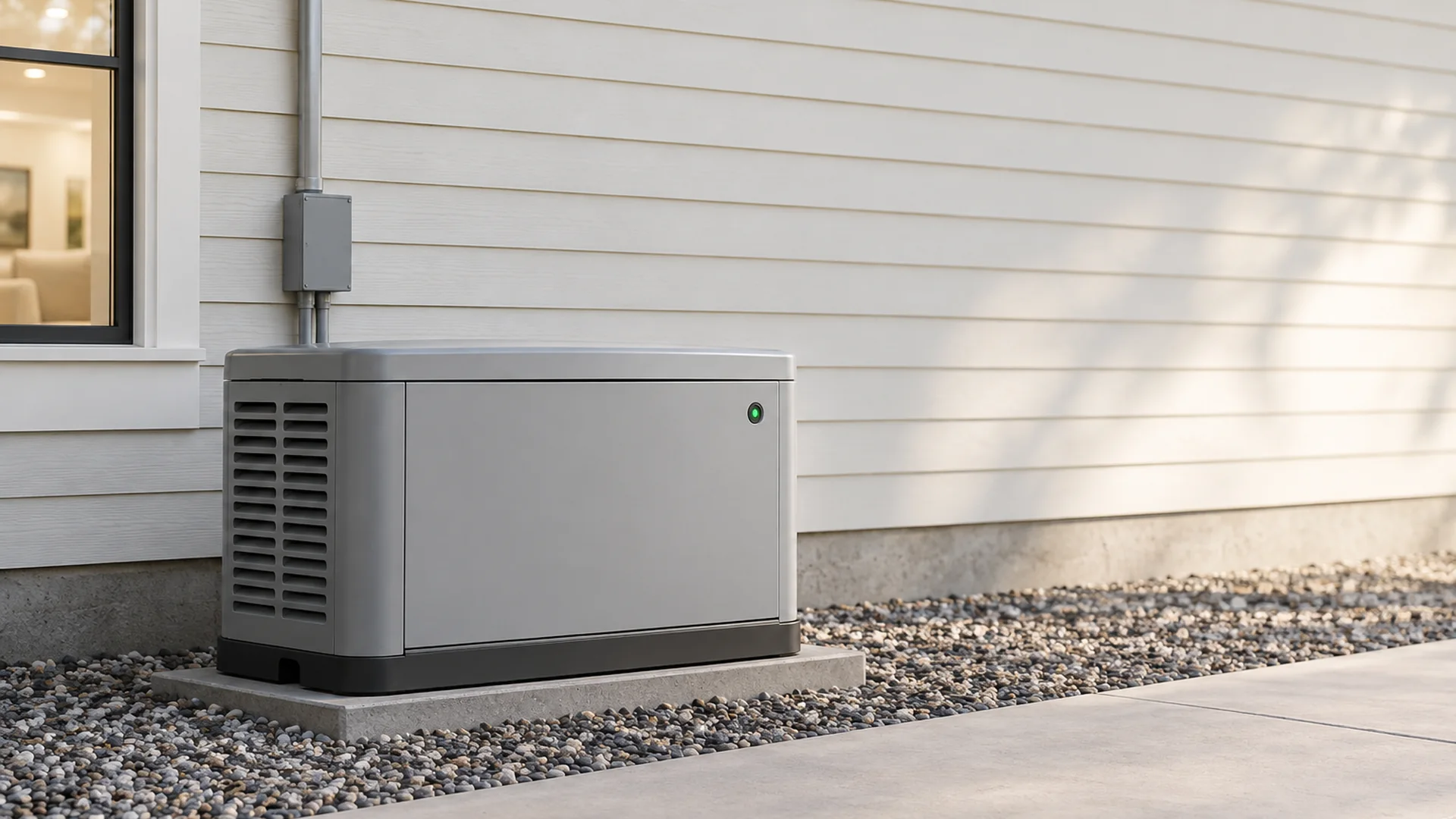
What will it run?
How long and how much?
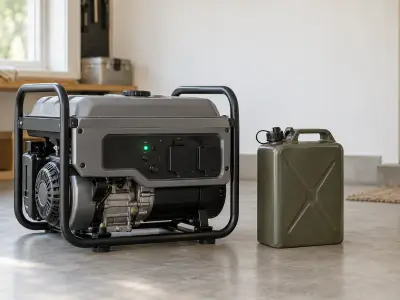
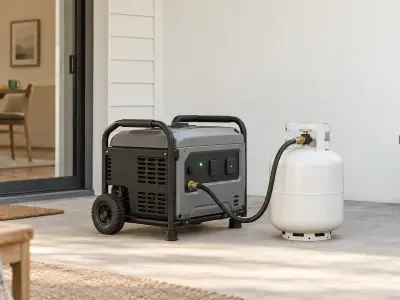
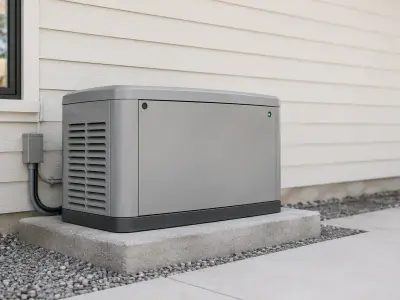
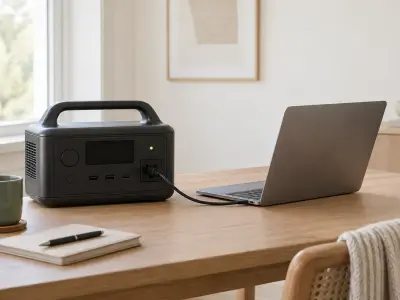
How these calculators work
When the power goes out, three questions matter: will the generator start what I need, how long will the fuel last, and what does it cost to run? The calculators here answer each one with numbers you can check.
Start with the load. A refrigerator runs at about 700 W but needs about 2,200 W for a moment to start its compressor. Every motor in the house does the same, so a generator has to cover your running load plus the largest starting surge. We keep 10% of the generator's rating in reserve on top. A fridge, a furnace fan, 10 LED bulbs and phone chargers start at 3,000 W and fit on a 3,500 W generator; add a 10,000 BTU window AC and a microwave and you need 7,500 W.
Then the fuel. Consumption depends on the load, not the size on the label: a 7,500 W generator on propane at 75% load burns an estimated 1.66 gallons an hour, and 20 gallons lasts about 12 hours. Fixed propane tanks are filled to 80%, so a 250-gallon tank holds about 200 gallons.
Then the cost. Generator power is expensive. At Florida prices, a 22,000 W standby unit on propane at half load costs about $0.61 per kWh it makes, roughly 4 times the Florida electricity rate. A standby generator also costs money when nothing happens: weekly exercise fuel, a battery charger running all year, and maintenance.
For an apartment, a CPAP or a few devices, a portable power station may be enough: a 1,024 Wh unit runs a 100 W load for about 8.7 hours.
Every figure is an estimate from manufacturer spec sheets and state fuel prices from the EIA and AAA, with the formula on each page. Before connecting a generator to your house wiring, have an electrician install a transfer switch or an interlock.